


Phillip Island Who's Who
Public Profile
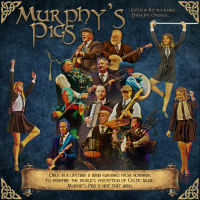
Foreign Affairs & Trade is warning everyone about. Throw caution to the wind and set forth on a musical journey* through the lands
of the Celts as Murphy's Pigs drag you headfirst into their world of rugged mountains, stormy oceans, fearsome battles, unrequited
love and a drop or two of whisky.
Connect through my public pages
Public information provided by this member.
Share this Portrait
Distinguished and Famous people from Phillip Island
🌳 Florence “Zing” Oswin-Roberts
Florence Oswin-Roberts, widely known as Zing, bought Broadwater at Cowes in 1912 and developed it as a guest house with her sisters. Alongside hospitality, she became a determined defender of Phillip Island’s trees and animals, particularly koalas. Her interest had roots in childhood on the Mornington Peninsula, where she witnessed forest being cleared. The reserve carrying her name records a contribution extending beyond caring for individual animals to protecting their habitat. Her family also continued involvement in island conservation. Visitors arriving for a holiday encountered a hostess whose concerns included the future of the landscape they had come to enjoy.
🏍️ Wayne Gardner
Wayne Gardner gave Phillip Island’s arrival on the motorcycle world-championship calendar a memorable beginning by winning there in 1989 and again in 1990. Born at Wollongong, he had already become the first Australian five-hundred-cc world champion in 1987. The island victories came amid seasons interrupted by serious injuries, making them highlights in a demanding period of his career. For spectators, the combination of a new Australian venue and an Australian winner helped give the coastal track an immediate place in the sport’s national memory.
📚 Manning Clark
Manning Clark attended school at Cowes and later remembered childhood cricket, fishing and rabbiting on Phillip Island. His six-volume A History of Australia made national history an ambitious drama of people, beliefs and conflicts. It attracted a wide readership and serious criticism over accuracy and interpretation; even its author acknowledged insufficient attention to Aboriginal history. His public performances, distinctive appearance and enthusiasm carried history far beyond the lecture room. The work was eventually adapted into a musical, an unusual destination for a shelf of historical volumes. His influence is substantial without requiring every judgment or story he told to be accepted uncritically.
